
What’s Considered A Bloated Stomach
A bloated stomach is a physical sensation or visible symptom where the abdomen feels full, tight, swollen, or stretched. It is typically caused by an accumulation of gas, fluid, or digestive contents in the gastrointestinal tract.
Key Attributes & Definitions
- Physical Sensation: A feeling of internal pressure, tightness, or uncomfortable fullness in the stomach area.
- Abdominal Distension: Visible swelling, protrusion, or expansion of the waistline (often causing clothes to fit tightly).
- Common Accompanying Symptoms: Frequent burping, flatulence, abdominal gurgling/rumbling, mild cramping, or pain.
What Are The Root Causes Of Bloating
Overwhelmed Liver
When we treat our patients, the number 1 thing causing problems is actually the liver, and not the stomach, as people think. The liver is the biggest organ inside the body, responsible for so many functions that you can’t live without it.
It plays a primary role in processing nutrients, hormones, fats, and waste. An overloaded liver can trigger systemic downstream effects, particularly in digestion.
Key Functions That Get Strained
- Bile Production & Flow (Cholestasis/Sluggish Bile):
- The liver produces bile to digest fats and excrete metabolic waste. When overloaded, bile can become thick or sluggish.
- Digestive Impact: Poor bile flow leads to incomplete fat digestion, floating or pale stools, poor absorption of fat-soluble vitamins (A, D, E, K), and significant upper-abdominal bloating or nausea after greasy meals.
- Hormone Metabolism (Estrogen Dominance):
- The liver is responsible for breaking down and deactivating circulating hormones, especially estrogen.
- Systemic Impact: If phase I/II liver clearance pathways are sluggish, excess estrogen can recirculate, contributing to fluid retention, PMS, cyclic bloating, and mood changes.
- Bilirubin & Waste Handling:
- An overload of cellular waste or toxins slows phase II conjugation pathways (like glucuronidation, sulfation, and glutathione conjugation).
- Systemic Impact: Unprocessed metabolites circulate longer, often manifesting as unexplained fatigue, skin issues (acne, eczema, itching), and brain fog.
Nutrient Deficiencies
The 2nd root cause would be nutrient deficiencies. I say 2nd here, but it’s actually the primary cause of liver dysfunction.
Phase II detoxification pathways rely heavily on specific nutrients—including B vitamins, amino acids (glycine, taurine, glutamine), zinc, selenium, and sulfur compounds. Deficiencies in these restrict liver capacity.
There’s a total of 21 vitamins & minerals that the body utilizes every day as fuel to function properly. You can see the full list in our article here:
So, if you have nutrient deficiencies, that can cause bloating because it impacts all natural functions of your body, such as your organs, your circulation, etc.
For example, if you have a magnesium deficiency, and magnesium is required for every cell of your body, you will start to have discrepancies, like a bloated stomach.
How To know If You Have Any Deficiencies?
As you probably know, the most common method is to do a blood test. However, the body is much more complex than that. Blood tests ARE NOT RELIABLE because they only measure the vitamins & minerals IN THE BLOOD within that TIMEFRAME. YOUR LEVELS ARE CHANGING EVERY SECOND, EVERY MINUTE, depending on what your body is trying to achieve.
Your whole body is utilizing vitamins & minerals, and not just in the blood. So we use energetic testing to assess any deficiencies that you may have.
Toxicity Overload
Too much toxicity in your body is another root cause for bloating. This is directly linked with nutrient deficiencies or organ problems like the liver. Toxicity in your body can only appear from nutrient deficiencies or alignment issues, restricting the natural circulation of the body.
Too much toxicity can overwhelm the liver, kidneys, gallbladder, etc., or interfere with digestion if your gut bacteria are feeding on toxic waste.
Everyone has a toxic load from exposure to chemicals, microplastics, metals, mold, EMF like 5G towers or from your phone, and artificial lights.
Getting rid of toxicity is a COMPLEX task and takes a long time. When your body has all the nutrients it needs, it will start detoxifying gradually.
Alignment Issues
Although less common, a physical misalignment from head to toes can be an isolated root cause for bloating.
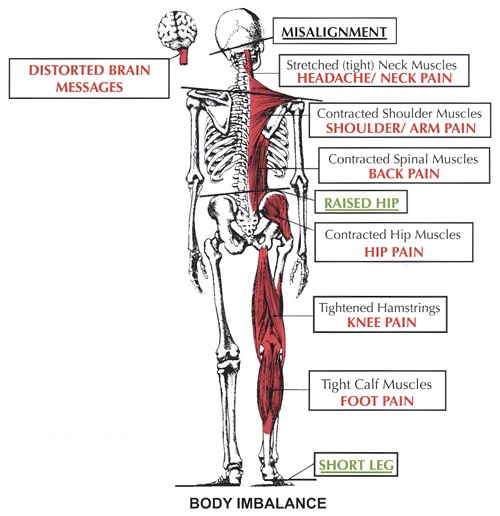
A proper alignment is SUPER important for EVERYTHING, like circulation, healing, avoiding injuries, etc. It’s the foundation for the whole body.
For example, a simple cranial distortion of 1mm can cause the whole body to distort, causing all kinds of body pain and issues: neck pain, traps, shoulders, back, hips, knees, ankles, insomnia, constant stress, weak organs, digestive issues like bloating, etc.
We will evaluate you and see if you have any misalignment issues. If you do, we will refer you to a good osteopath for the body and/or an orthodontist for the skull.
There are only a handful of them in the entire world. Average chiropractors and physiotherapists are often useless because they do not address the root cause of any misalignment.
Other Secondary Causes To Bloating
These are not root causes, but secondary causes of either nutrient deficiencies, toxicity, or alignment issues.
1. Digestive Secretion Deficits
- Low Stomach Acid (Hypochlorhydria): Inadequate hydrochloric acid in the stomach impairs the initial breakdown of proteins and fails to trigger proper downstream digestive signaling. Undigested food remains in the tract longer, feeding gas-producing microbes.
- Pancreatic & Bile Insufficiency: A lack of digestive enzymes or bile salts slows fat and carbohydrate breakdown, leading to fermentation in the intestines.
2. Gut Microbiome Dysbiosis
- Small Intestinal Bacterial Overgrowth (SIBO): When bacteria normally present in the large intestine migrate into the small intestine, they rapidly ferment incoming carbohydrates, causing severe, rapid bloating after meals.
- Colonic Dysbiosis: Imbalances in the large intestine’s microbiome—such as an overabundance of hydrogen- or methane-producing species—alter gas production and gut transit time.
3. Carbohydrate Malabsorption & Intolerances
- FODMAP Sensitivities: Poorly absorbed short-chain carbohydrates (found in lactose, fructose, artificial sweeteners, wheat, beans, and certain vegetables) draw excess water into the gut and are fermented by bacteria, releasing gas.
- Enzyme Deficiencies: Conditions like lactose intolerance or celiac disease prevent proper nutrient absorption, creating substrate for microbial fermentation.
4. Motility & Elimination Issues
- Slow Intestinal Transit / Constipation: When stool moves too slowly through the colon, waste builds up, increasing internal pressure and providing extra time for microbial fermentation.
- Impaired Migrating Motor Complex (MMC): The sweeping wave mechanism that clears food debris and bacteria between meals can become sluggish due to stress, past food poisoning, or metabolic issues, contributing to bacterial accumulation.
5. Neurological & Neuromuscular Dysfunction
- Visceral Hypersensitivity: Due to altered gut-brain communication, the nervous system overperceives normal amounts of gas or fluid in the gut, signaling it as severe fullness or pain (common in IBS).
- Abdomino-Phrenic Dyssynergia: An uncoordinated reflex where the diaphragm contracts downwards and the abdominal wall relaxes outwards in response to mild gas, causing the belly to visibly protrude.
- Chronic Stress & Sympathetic Dominance: High stress shifts the body into “fight-or-flight” mode, suppressing digestive secretions and altering gut motility.
6. Hormonal Fluctuations
- Estrogen & Progesterone Shifts: Hormonal variations during the menstrual cycle, pregnancy, or perimenopause slow GI motility and increase fluid retention.
- Thyroid Dysfunction: Hypothyroidism directly slows down whole-gut transit, frequently manifesting as constipation and bloating.
Conclusion – Get Help NOW
Now that you know what’s causing your constant bloated stomach, book a spot below and get treated NOW!
Success with bloating requires focusing on the right things: The few root causes that make a difference rather than the many symptoms. On average, people start to feel better after 2-3 weeks.
The more you wait, the worse it’s going to get.
Healthfully,
Systemic Body
Note: I write every post; all this info comes from 10 years of daily testing for my own body.