The True Definition
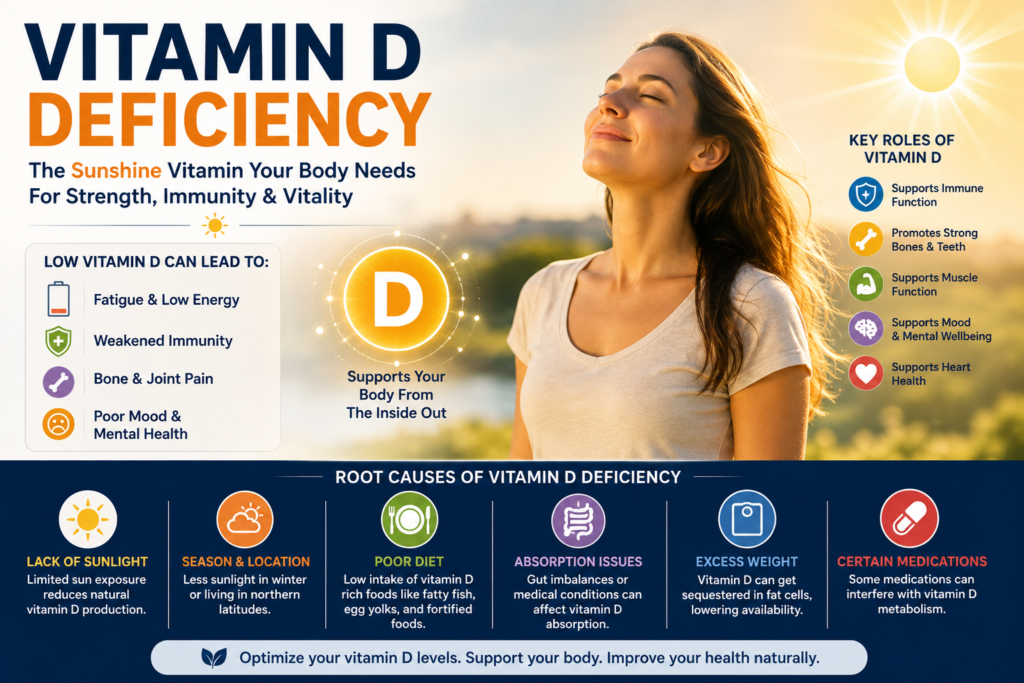
Vitamin D deficiency is a state in which the body has inadequate levels of vitamin D, a crucial fat-soluble nutrient and pro-hormone required for calcium absorption, bone mineralization, immune function, and cellular health.
It occurs when total circulating levels of 25-hydroxyvitamin D [25(OH)D] in the blood fall below normal reference thresholds, impairing the body’s ability to maintain optimal bone density and systemic metabolic functions.
Primary Health Effects
- Bone Health: A severe deficiency leads to impaired bone mineralization, resulting in rickets in children (characterized by soft, weak, or bowed bones) and osteomalacia or osteoporosis in adults (manifested by brittle bones and an increased fracture risk).
- Musculoskeletal Symptoms: Chronic deep bone pain, muscle weakness, muscle spasms (tetany), and frequent fatigue.
- Systemic Function: May impact immune system regulation, cardiovascular health, mood regulation, and metabolic balance.
What Can Cause Vitamin D Deficiency?
From all the people we’ve treated, we rarely see a vitamin D deficiency. If you get enough sunlight and eat enough fish, meat, and eggs, you should be fine.
95% of the time, people have other deficiencies worth resolving, and it’s not vitamin D. So book a FREE appointment below, and we will test you.
People take vitamin D supplements during winter here in Canada, but those supplements are often low quality and can do more harm than good. We recommend getting more sunlight in winter.
1. Inadequate Sun Exposure
Sunlight (specifically UVB radiation) triggers the primary pathway for natural vitamin D synthesis in the skin. Factors that limit UVB exposure include:
- Geographic Latitude & Season: Living at northern or southern latitudes (above or below ~37 degrees) where winter sunlight lacks sufficient UVB intensity.
- Sun Protection & Lifestyle: Regular use of high-SPF sunscreen, extended indoor lifestyles, or wearing skin-covering clothing for cultural or religious reasons.
- Skin Pigmentation: Higher concentrations of melanin act as a natural sunblock, requiring individuals with darker skin to spend significantly more time in the sun to produce equivalent amounts of vitamin D.
2. Dietary & Absorption Deficiencies
Vitamin D is a fat-soluble nutrient found naturally in limited food sources (such as fatty fish, egg yolks, liver, and fortified products).
- Insufficient Intake: Dietary patterns lacking vitamin D-rich or fortified foods, including strict vegan diets without supplementation.
- Fat Malabsorption Disorders: Conditions that impair the body’s ability to absorb dietary fats—such as Celiac disease, Crohn’s disease, Ulcerative Colitis, cystic fibrosis, or exocrine pancreatic insufficiency.
- Bariatric Surgery: Surgical procedures that bypass or alter portions of the small intestine (e.g., gastric bypass) reduce the surface area available to absorb fat-soluble vitamins.
3. Impaired Metabolic Conversion (Liver & Kidney Function)
Vitamin D from sunlight or food is biologically inactive and must undergo a two-step conversion process (hydroxylation) to become active.
- Liver Dysfunction: Severe liver disease or cirrhosis reduces the production of 25-hydroxylase.
- Chronic Kidney Disease (CKD): Impaired renal function reduces the production of alpha-hydroxylase, the enzyme responsible for converting into active calcitriol.
4. Physiological & Lifestyle Factors
- Obesity: Vitamin D is fat-soluble and becomes sequestered within excess adipose (fat) tissue, reducing its bioavailability in blood circulation.
- Age: Older adults synthesize vitamin D less efficiently in the skin due to lower levels of dehydrocholesterol and are more likely to have reduced sun exposure or kidney efficiency.
- Medication Interactions: Certain medications accelerate the breakdown or interfere with the absorption of vitamin D, including anticonvulsants, glucocorticoids/steroids, antifungal agents, and rifampin.
How To Treat Vitamin D Deficiency
General recommendations would be eating more fish, eggs, any kind of animal liver, and raw milk if you have access to it.
However, a vitamin D deficiency can be the result of other co-factor deficiencies to be able to utilize vitamin D from food or sunlight. Book a FREE call below and let’s see what we can do!
Conclusion – Get Started NOW
If you want to get treated for a vitamin D deficiency or other co-factor deficiencies, book an appointment below, and we will tell you what your deficiencies are. Maybe you think you have a vitamin D deficiency, but in our experience, it’s not common.
The less you wait, the better it will be to replenish your levels. If you really have a deficiency, it can start causing you a lot of problems, like bone pain or muscle weakness.
Healthfully,
Systemic Body
Note: I write every post; all this info comes from 10 years of daily testing for my own body.