Many individuals concentrate on detoxifying either the lymphatic system or the liver, but seldom both simultaneously.
Those undergoing lymphatic massages often experience adverse effects, likely due to the liver becoming overwhelmed without adequate support. Typically, they may be using one or two supplements for liver detoxification, which proves insufficient.
Conversely, individuals focusing on liver detoxification might not achieve complete results because the lymphatic system must transport the toxic load to the liver, a process that does not occur automatically. Initiating detoxification with the liver is more logical, as it is closer to the body’s exit points.
Starting with the lymphatic system can create bottlenecks downstream, leading to the recirculation of toxins in the blood, which can cause brain fog, headaches, inflammation, and other symptoms throughout the body.
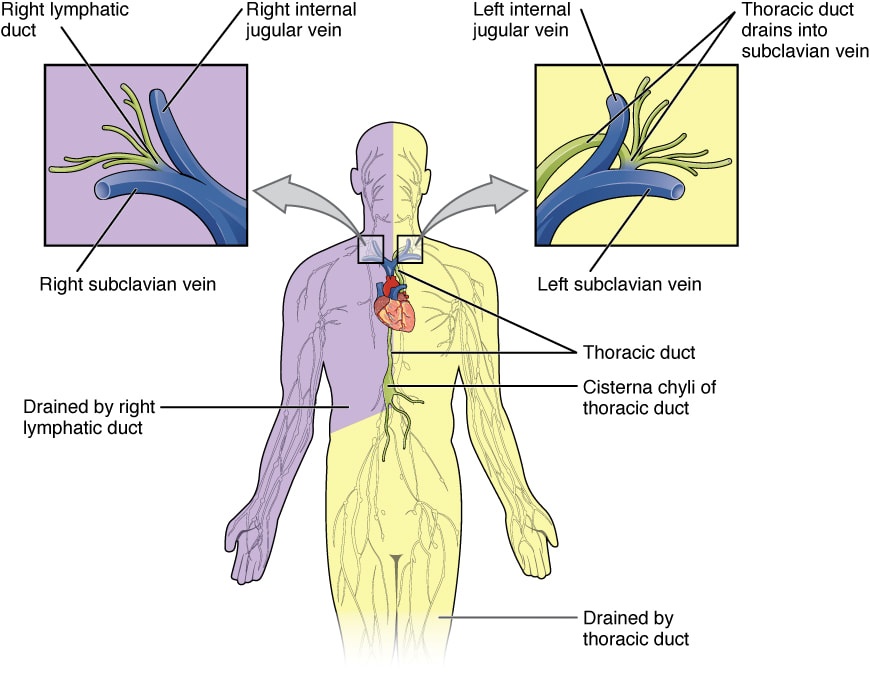
Lymph vessels drain extracellular fluid throughout the body to remove metabolic waste and toxins, allowing nutrients to circulate through the blood, enter extracellular fluid, and reach cells.
The lymphatic system then empties into the bloodstream, where the liver processes the waste before it is expelled through the bowels. The design of the lymphatic system may appear unconventional until one understands at least two reasons for its integration with the liver.
As illustrated in the chart, the lymphatic systems on the left and right sides of the body are asymmetrical. The right side extends from the top of the head to only halfway down the trunk, whereas the left side encompasses the entire lower half of the body.
One reason for this design is that the right side must support the liver; if the liver becomes overwhelmed, the lymphatic system can become congested. The lymphatic system detoxifies the organs responsible for detoxification, making its maintenance crucial.
Additionally, the lymphatic ducts on the left side empty into the blood under the collarbone into the subclavian veins. Although it may seem peculiar that toxins from the toes must travel up to the neck, this placement is strategic.
It positions the ducts between the liver and brain, balancing the shortest route to the liver with the shortest exit from the brain, thereby minimizing the risk of blockages and bottlenecks in the process flow.
Healthfully,
Systemic Body