
What Are Cluster Headaches?
A cluster headache is a rare primary headache disorder characterized by extremely severe, piercing, or burning pain focused on one side of the head, typically centered around or behind one eye or temple.
Key Characteristics
- Pattern & Cycles (“Clusters”): The attacks occur in cyclic periods (clusters) lasting from weeks to months, often striking at the exact same times every day or waking you up from sleep. These cluster periods are usually followed by extended remission phases with no headaches for months or even years.
- Duration & Frequency: Individual attacks come on rapidly (peaking in 5–15 minutes) and can last anywhere from 15 minutes to 3 hours, occurring anywhere from every other day up to 8 times a day.
- Autonomic Symptoms: The pain on the affected side is almost always accompanied by symptoms like eye redness, tearing, eyelid drooping, nasal congestion, or a runny nose.
- Restlessness: Unlike people with migraines who usually want to lie still in a quiet room, people experiencing a cluster headache often feel intensely restless, driven to pace, sit up, or rock back and forth.
Root Causes Of Cluster Headaches
Cluster headaches can be EXTREMELY hard to solve, as there are several root causes, and resolving only 1 root cause is hard enough. That’s why the medical industry doesn’t have a clue about how to treat them.
It took us almost 10 years to come up with our general 6 root causes for any health issue you can think of:
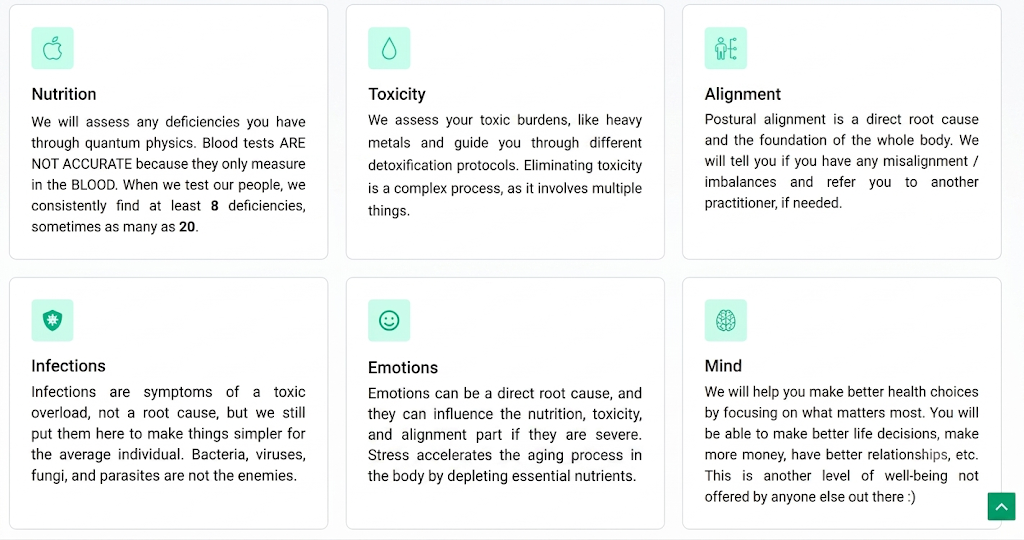
Nutrition
Believe it or not, the first root cause of cluster headaches can be several nutrient deficiencies, affecting the proper function of the nerves inside the head, or even the jaw joints, causing all this recurrent pain.
Magnesium
Magnesium is the fourth most abundant mineral in the body and acts as a fundamental “helper molecule” (cofactor) in over 300 biochemical reactions. It keeps your nervous system, muscles, energy levels, and structural tissues functioning smoothly.
Here is a breakdown of what magnesium is primarily responsible for:
1. Energy Production & Metabolism
- ATP Activation: Adenosine triphosphate (ATP), the body’s primary energy currency, must bind to a magnesium ion to become biologically active. Without magnesium, your cells cannot generate or use energy effectively.
- Nutrient Conversion: Serves as a vital cofactor in converting carbohydrates, fats, and proteins into usable fuel.
2. Muscle & Nerve Function
- Muscle Relaxation: While calcium triggers muscle contraction, magnesium acts as a natural blocker, allowing muscle fibers to relax. This helps prevent spasms, cramps, and tightness.
- Nerve Signalling: Regulates neurotransmitters—the chemical messengers that send signals throughout the brain and nervous system—and keeps the nervous system from becoming overexcited.
3. Structural Health (Bones & Teeth)
- Bone Density: Roughly 60% of the body’s magnesium is stored in the bones. It works alongside calcium and vitamin D to build and preserve strong bone tissue.
- Mineral Balance: Regulates parathyroid hormone and active vitamin D levels, ensuring calcium is directed to bones and teeth rather than accumulating in soft tissues or blood vessels.
4. Heart Health & Blood Pressure
- Heart Rhythm: Helps maintain a steady, normal heartbeat by regulating the movement of electrical impulses across cardiac muscle cells.
- Vascular Relaxation: Relaxes the smooth muscle cells within blood vessel walls, helping to keep blood pressure balanced and healthy.
5. DNA, Protein, & Stress Response
- Genetic Maintenance: Required for the synthesis and structural integrity of both DNA and RNA.
- Stress & Sleep: Plays a key role in regulating the HPA axis (the body’s stress response system) and supporting GABA (a calming neurotransmitter), which promotes deep sleep and relaxation.
Sulfur
Sulfur is the third most abundant mineral in the human body (after calcium and phosphorus) and plays a foundational role in cellular biology, metabolism, and structural integrity.
Here is a breakdown of what sulfur is primarily responsible for:
1. Structural Support & Cellular Integrity
- Protein Folding: Sulfur forms disulfide bonds between amino acids (methionine and cysteine), which hold the 3D structures of proteins together.
- Connective Tissue & Skin: It is a key constituent of keratin (the protein that forms hair, skin, and nails) and collagen (found in cartilage, tendons, and ligaments).
- Bone & Cartilage: Helps synthesize chondroitin sulfate, which provides structure and cushion to bones and joints.
2. Antioxidant Defense & Inflammation Control
- Glutathione Production: Sulfur is required to produce glutathione, the body’s master antioxidant. Glutathione protects cells from free radicals, heavy metals, and oxidative stress.
- DNA Repair: Helps maintain genomic stability and aids in the synthesis and repair of DNA.
3. Detoxification (Sulfation)
- Phase II Liver Detox: Through a process called sulfation, sulfur compounds attach to toxins, heavy metals, excess hormones, and medications so they can be rendered water-soluble and safely excreted from the body.
4. Metabolic & Enzymatic Functions
- Hormone Regulation: Sulfur is an essential component of insulin, meaning it is directly involved in blood sugar regulation.
- Energy Metabolism: It forms part of Coenzyme A and vitamins like B1 (thiamin) and biotin, which are critical for converting nutrients into cellular energy (ATP).
- Bile Acid Production: Assists in manufacturing bile acids needed for fat digestion and absorption.
Potassium
Potassium is an essential mineral and major electrolyte—meaning it carries a small electrical charge that initiates various cellular processes. Because the vast majority of potassium sits inside your cells, it works closely in tandem with sodium (which sits outside cells) to maintain balance across every organ system.
Here is a breakdown of what potassium is primarily responsible for:
1. Fluid Balance & Cellular Hydration
- The Sodium-Potassium Pump: Potassium works opposite sodium to regulate fluid levels inside and outside of cells. This prevents cellular swelling or dehydration and maintains proper osmotic pressure across cell membranes.
- Kidney Health & Water Regulation: Helps the kidneys flush out excess sodium through urine, preventing water retention and bloat.
2. Heart Health & Blood Pressure Control
- Vascular Relaxation: Potassium eases tension in blood vessel walls, which helps lower resting blood pressure and reduces strain on the cardiovascular system.
- Heart Rhythm: It regulates the electrical impulses that keep your heart beating at a normal, steady rhythm. Low or excessively high levels can cause irregular heartbeats (arrhythmias).
3. Muscle Contractions & Cramp Prevention
- Nerve-to-Muscle Signalling: Enables the electrical signal required for muscle fibers to contract and relax properly.
- Skeletal & Smooth Muscle Function: Essential for everything from flexing your biceps to the involuntary contractions that move food through your digestive tract (peristalsis).
4. Nerve Impulse Transmission
- Nerve Signalling: Potassium ions moving across cell membranes generate the action potentials (electrical sparks) needed for nerves to transmit signals between the brain and the rest of the body.
5. Glycogen Storage & Nutrient Transport
- Carbohydrate Metabolism: Required for converting blood glucose into glycogen, the form of sugar stored in the liver and muscles for quick energy.
- Waste & Nutrient Exchange: Helps facilitate the movement of nutrients into cells and the removal of cellular waste products.
How These Nutrients Relate To Cluster Headaches
You can see it for yourself, each of those nutrients plays a role in either nerves, muscles, or inflammation control, which can cause cluster headaches if not addressed.
There are other nutrients, like sodium, and antioxidants like vitamin C, that we could have put here, but the article would be too long. That’s why treating cluster headaches can be VERY hard.
Toxicity Issues
The 2nd root cause can actually be a toxicity issue, like an overloaded liver, which has nothing to do with your head. The whole body is connected, and every system interacts with the others. So, how can an overwhelmed liver cause cluster headaches? That’s a trillion-dollar question right there!
While the liver and the head are on opposite ends of the upper body, they are deeply connected through three primary pathways: blood circulation, nervous system signalling, and metabolic/biochemical pathways.
When liver function is altered, it directly impacts head and brain function—and vice versa.
1. The Circulatory Highway (Blood Flow)
- The Hepatic-Systemic Circuit: Blood flows from the heart through the systemic arteries to oxygenate the liver, and blood leaving the liver travels through the inferior vena cava straight back to the heart, which pumps it directly up through the carotid and vertebral arteries into the head.
- Toxin Filtration & Brain Barrier: One of the liver’s primary jobs is filtering toxins, metabolic waste, and heavy metals from the blood. If the liver is overloaded or sluggish, circulating compounds cross the blood-brain barrier, which can trigger central inflammation, fog, or vascular head pressure.
2. The Nervous System (The Gut-Liver-Brain Axis)
- The Vagus Nerve: The vagus nerve (Cranial Nerve X) acts as a direct, bi-directional “telephone wire” between the brainstem and the liver. It carries signals from the liver to the brain regarding nutrient status, inflammation, and energy levels, while the brain uses it to send signals back down to control liver enzyme production and bile secretion.
- Sympathetic Signals: The thoracic sympathetic nerves connect the liver to the spinal cord and up to the brain’s autonomic control centers, regulating blood flow and glycogen release during stress.
3. Metabolic & Biochemical Signalling
- Glucose Supply: The brain consumes about 20% of the body’s energy and relies almost entirely on glucose. The liver regulates blood sugar through glycogen storage and gluconeogenesis (creating glucose). When liver glycogen drops, the brain senses the energy deficit, which can manifest as brain fog, dizziness, or tension headaches.
- Ammonia & Neurotransmitters: The liver processes nitrogenous waste into urea. If liver detox pathways are impaired, rising ammonia levels in the blood pass into the brain, disrupting neurotransmitters (like glutamate and GABA) and altering brain signalling.
- Bile & Histamine Metabolism: The liver breaks down excess circulating hormones (like estrogen) and histamines. Poor liver clearance can lead to elevated systemic histamine or hormonal imbalances, both of which are common triggers for vascular headaches and migraines.
4. Fascial & Structural Connections
- The Diaphragm & Neck/Shoulder Pathways: The liver is attached directly to the underside of the diaphragm by the falciform and coronary ligaments. Tension or congestion in the liver can create physical drag on the diaphragm. The diaphragm is innervated by the phrenic nerve (originating from cervical spinal roots C3–C5 in the neck), which can cause referred tightness up into the shoulders, neck, and base of the skull.
Other Toxicity Issues
A toxic liver is the main one, as the liver is the biggest internal organ in the body, if we don’t count the skin. However, you could have other issues outside of the liver, like the kidneys, brain, blood circulation, etc., causing you cluster headaches. We will evaluate you carefully and let you know our findings.
Alignment Issues
The last root cause of cluster headaches could be something completely different than nutrition and toxicity. It could be a structural problem (alignment issue) at any body level, like cranial bones, jaw joints, upper cervicals, pelvic floor, etc.
If you’ve had headaches for a long time, it could indeed be an alignment issue caused either by an accident, sports injury, or orthodontic work where they change the position of the cranial bones with braces (retraction orthodontics with tooth extractions).
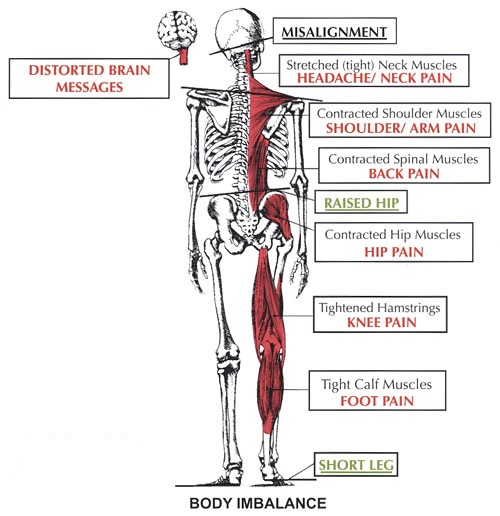
If that’s one of your root causes, we will refer you to a good osteopath or orthodontist who understands the cranial complex, not just the teeth, like the average orthodontist.
There are only a handful of them in the entire world. Fixing an alignment issue can be VERY complex; that’s why the average chiropractor or physiotherapist in your neighborhood ends up not fixing anything.
Conclusion – Take Action NOW
Success with cluster headaches requires focusing on the right things: The 3 root causes that make a difference rather than the many symptoms.
Sometimes, more than one root cause has to be addressed to make a difference. Solutions should be customized to the individual and specified and quantified in as much detail as possible.
We successfully treated a lot of people with cluster headaches. On average, people start to feel better after 2-3 weeks. Book your spot now if you want to END your headaches. We are the ONLY ONES providing a real cure for this condition.
Healthfully,
Systemic Body
Note: I write every post, the CEO of Systemic Body, nothing is AI, obviously.
All these infos comes from 10 years of daily testing for my own body. I also had cluster headaches.