Sensitivities can be a challenging problem to tackle, as they often require attention to complex underlying health issues. While it may be tempting to simply seek out quick remedies for specific symptoms, the reality is that these sensitivities can be indicative of deeper nutritional deficiencies and toxic loads within the body.
However, recent research demonstrates that flavonoids may be a highly effective tool in combating these conditions. As some of the most potent antioxidants available, flavonoids can promote mitochondrial energy production, neutralize toxins, and even combat some pathogens.
Their versatility has led researchers to conclude that these compounds may be effective in treating a wide range of health issues. When used to address sensitivities, flavonoids work to address the root causes of these conditions, providing a holistic approach to healing.
Flavonoids, when viewed in a certain light, can be considered a shotgun approach to tackling an array of issues, covering a broad enough spectrum to solve even the toughest problems like allergies.
This is because research has shown flavonoids to be some of the strongest antioxidants available. While glutathione also ranks highly in this category, it’s important to stay on topic.
It’s important to note that antioxidants such as flavonoids work together in a network, able to recycle each other once they’ve given up an electron and become free radicals themselves. This antioxidant network, as outlined by University of California researcher Lester K Packard, includes C, E, Glutathione, coQ10, and alpha lipoic acid.
Thus, flavonoids are a powerful tool in the fight against oxidative stress and the associated health conditions, making their inclusion in a healthful diet important.
Flavonoids, such as rutin, play a crucial role in the recycling of vitamin C. Vitamin C is the centrepiece of the antioxidant network, regulating the balance of fat and water-soluble antioxidants.
The discovery of vitamin C by Albert Szent-Gyorgyi demonstrated that it was not effective in treating fragile capillaries, such as those in bruising, without lemon juice and red pepper.
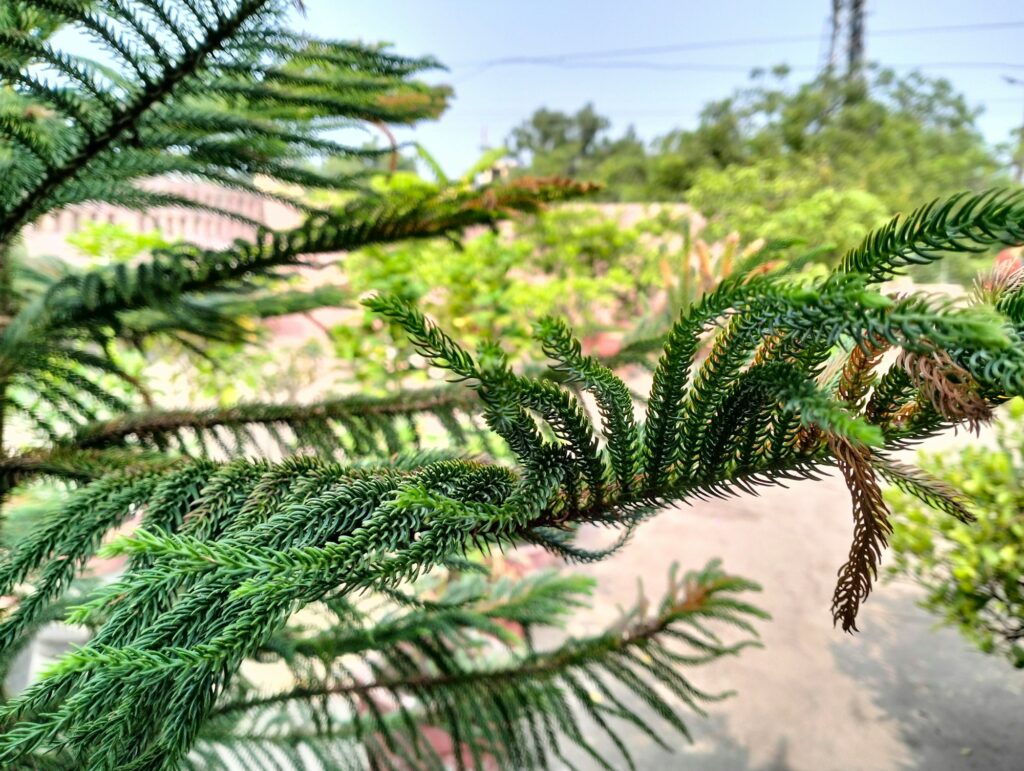
Szent-Gyorgyi referred to this substance as “vitamin P,” its name possibly derived from polyphenols. While vitamin C is on the frontline of antioxidant work, flavonoids’ recycling and supporting actions could be even more significant. The flavonoid pycnogenol, found in pine bark, was discovered to be the most potent antioxidant in Dr. Packer’s laboratory.
Although pycnogenol is typically extracted from French maritime pine, Eastern white pine bark may also suffice. Canadian Natives use pine needles with bark loaded with pycnogenol to treat various ailments, despite their low vitamin C content.
Other flavonoids that are just as good are the OPCs, oligomeric proanthocyanidins, like grape seed extract. The extraction is with alcohol of the whole seed to include the other antioxidants and nutrients, so they can claim it is 95% polyphenols. Flavonoids are the most common form of polyphenol.